Key Takeaways
- An electrocardiogram for chest pain is fast, painless and widely available.
- It helps doctors quickly detect serious heart conditions such as heart attacks or rhythm problems.
- The test records the heart’s electrical activity in real time.
- Early ECG testing allows faster treatment decisions, which can be life-saving.
Chest discomfort can be frightening. Many people immediately worry about a heart attack and rightly so. But why is an ECG almost always the very first test doctors perform?
What Exactly Is an Electrocardiogram and How Does It Work?
An electrocardiogram (ECG) is a simple test that records the electrical signals of your heart.
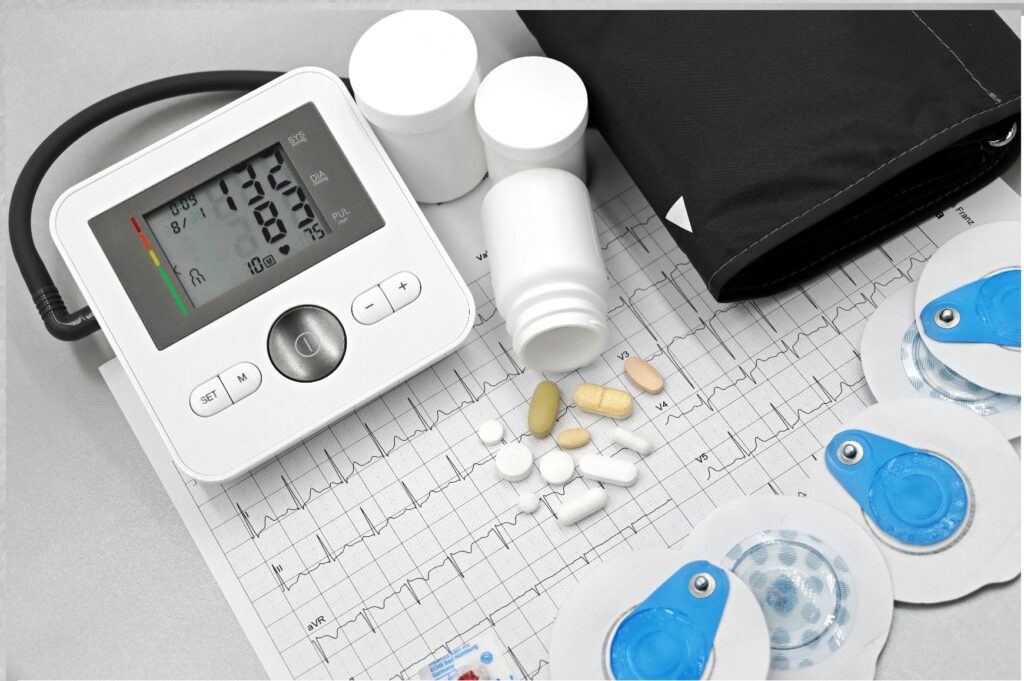
- Small sticky sensors (electrodes) are placed on your chest, arms and legs.
- These sensors detect electrical impulses that make your heart beat.
- The signals are displayed as waves on a screen or printed on paper.
- The test usually takes less than 10 minutes.
- It does not involve needles or injections.
Because the heart’s electrical system controls its rhythm and pumping action, any disturbance can appear clearly on an ECG tracing.
Why Is an Electrocardiogram for Chest Pain Done Immediately?
When someone presents with chest discomfort, time matters. Doctors prioritise an electrocardiogram for chest pain because it can,
- Identify signs of a heart attack
- Detect abnormal heart rhythms (arrhythmias)
- Show reduced blood flow to heart muscle
- Reveal signs of previous heart damage
- Help guide urgent treatment decisions
A heart attack occurs when blood flow to part of the heart is blocked. An ECG can show characteristic changes within minutes of the blockage occurring. The earlier these changes are identified, the faster treatment can begin.
Can an ECG Tell If Chest Pain Is Not From the Heart?
Yes and this is equally important. Not all chest discomfort is caused by heart disease. It may be due to,
- Acid reflux
- Muscle strain
- Anxiety
- Lung conditions
- Inflammation of the chest wall
An electrocardiogram for chest pain helps doctors quickly determine whether the heart is involved. If the ECG appears normal, further tests may still be done, but the immediate risk of a major cardiac event may be lower.
Is an ECG Enough on Its Own?
An ECG is often the first step but not always the only one. Depending on your symptoms and risk factors, doctors may also recommend,
- Blood tests such as cardiac enzyme tests
- Chest X-rays
- Echocardiogram (heart ultrasound)
- Stress testing
- CT coronary calcium scoring
The ECG provides rapid initial information, allowing doctors to decide what should happen next.
Why Is Speed So Important in Chest Pain Evaluation?
In heart emergencies, every minute counts.
- Heart muscle can begin to suffer permanent damage within a short time if blood flow is blocked.
- Early detection allows medication or procedures to restore circulation quickly.
- Faster treatment often improves recovery outcomes.
This is why hospitals aim to perform an ECG within minutes of arrival for patients with chest pain symptoms.
Frequently Asked Questions
- Is an electrocardiogram for chest pain painful?
No. It is completely painless. You may feel the cold surface of the electrodes being applied, but there is no discomfort.
- How long does an ECG take?
The test itself usually takes about 5–10 minutes. Preparation time is minimal.
- Can an ECG miss a heart attack?
In some cases, early or small heart attacks may not show clear changes immediately. That is why doctors may repeat the ECG and perform blood tests if symptoms persist.
- Should I get an ECG even if the chest pain feels mild?
Yes. Chest discomfort can sometimes feel mild even when the underlying cause is serious. It is safer to seek medical assessment promptly.
When Should You Seek Medical Attention for Chest Discomfort?
You should seek urgent medical care if chest pain is persistent or worsening accompanied by breathlessness, sweating, nausea or dizziness as well as the radiating to the arm, jaw or back. Prompt assessment c allows doctors to determine the cause and advise appropriate next steps.
For personalised evaluation and comprehensive heart assessment in Singapore, you may consider arranging a consultation at The Heart Doctors clinic. Early assessment supports informed decisions about your health.
Book a consultation with The Heart Doctors clinic today for a thorough cardiac evaluation right away.